

In today’s world, one of the most pressing challenges we face is the impact of climate change. As the global population continues to grow, so does the amount of waste we generate, which contributes to greenhouse gas emissions and increases our carbon footprint. One of the most effective ways to combat this issue is through recycling. While many people associate recycling with waste management and conservation, it also plays a vital role in reducing our carbon footprint. In this blog, we’ll explore how recycling helps lower carbon emissions, the benefits of recycling for the environment, and the positive steps we can all take to make a difference.
What is a Carbon Footprint?
A carbon footprint refers to the total amount of greenhouse gases, such as carbon dioxide (CO2), that are emitted directly or indirectly as a result of human activities. These emissions come from various sources, such as transportation, electricity production, manufacturing, and waste. The higher the carbon footprint, the greater the contribution to global warming and climate change.
Every product we consume or process has a carbon footprint associated with its production, transportation, and disposal. Recycling reduces this footprint by limiting the need for new raw materials and manufacturing processes, which are often energy-intensive and produce high amounts of CO2 emissions.
How Recycling Reduces Carbon Emissions
1. Lower Energy Consumption
One of the primary ways recycling helps reduce carbon emissions is by consuming less energy than producing new products from raw materials. For example, recycling aluminum saves up to 95% of the energy required to create new aluminum from bauxite, while recycling paper uses about 60% less energy than making paper from virgin wood fibers. Similarly, recycling plastic reduces energy use by around 70% compared to manufacturing new plastic.
The energy savings from recycling are crucial because the production of new materials—especially metals and plastics—typically requires large amounts of energy derived from fossil fuels. This process releases significant amounts of CO2 and other greenhouse gases. By recycling, we reduce the need for energy-intensive processes, thereby cutting down on emissions and helping mitigate climate change.
2. Reduction in Raw Material Extraction
The extraction and processing of raw materials such as coal, oil, metal ores, and timber are not only resource-depleting but also come with high environmental costs. These processes contribute to habitat destruction, water pollution, and, most notably, the release of CO2 into the atmosphere.
When we recycle, we reduce the demand for raw materials, leading to less extraction and processing. For example, recycling metals like copper and steel reduces the need for mining, a process that is both energy-intensive and carbon-emitting. By reusing materials, we help protect ecosystems, conserve natural resources, and significantly reduce CO2 emissions associated with material extraction.
3. Less Waste Sent to Landfills
Landfills are a major source of methane, a potent greenhouse gas that is released as organic waste decomposes anaerobically (without oxygen). Methane has a much higher global warming potential than CO2, making it an even more harmful contributor to climate change. By recycling materials like food waste, plastics, and paper, we prevent them from ending up in landfills, where they would otherwise contribute to methane emissions.
Additionally, recycling helps reduce the overall amount of waste we generate. This reduces the need for new landfills and incinerators, both of which have environmental impacts. Incineration, in particular, releases CO2 and other pollutants into the air. Reducing the volume of waste that goes into landfills and incinerators ultimately leads to lower carbon emissions and a reduced carbon footprint.
4. Carbon Savings from Recycled Materials
Recycling not only conserves energy but also reduces the overall carbon emissions from manufacturing. For instance:
- Recycling glass uses 40% less energy compared to creating new glass from raw materials.
- Recycling plastic results in fewer carbon emissions due to reduced oil extraction and less energy needed for plastic production.
- Recycling paper significantly cuts down the carbon emissions that would otherwise come from logging, pulping, and paper processing.
By recycling materials instead of using virgin materials, we cut down on the carbon emissions associated with the production process. For example, recycled aluminum requires far less energy than creating new aluminum from bauxite, leading to a dramatic reduction in CO2 emissions.
5. Promoting Circular Economy
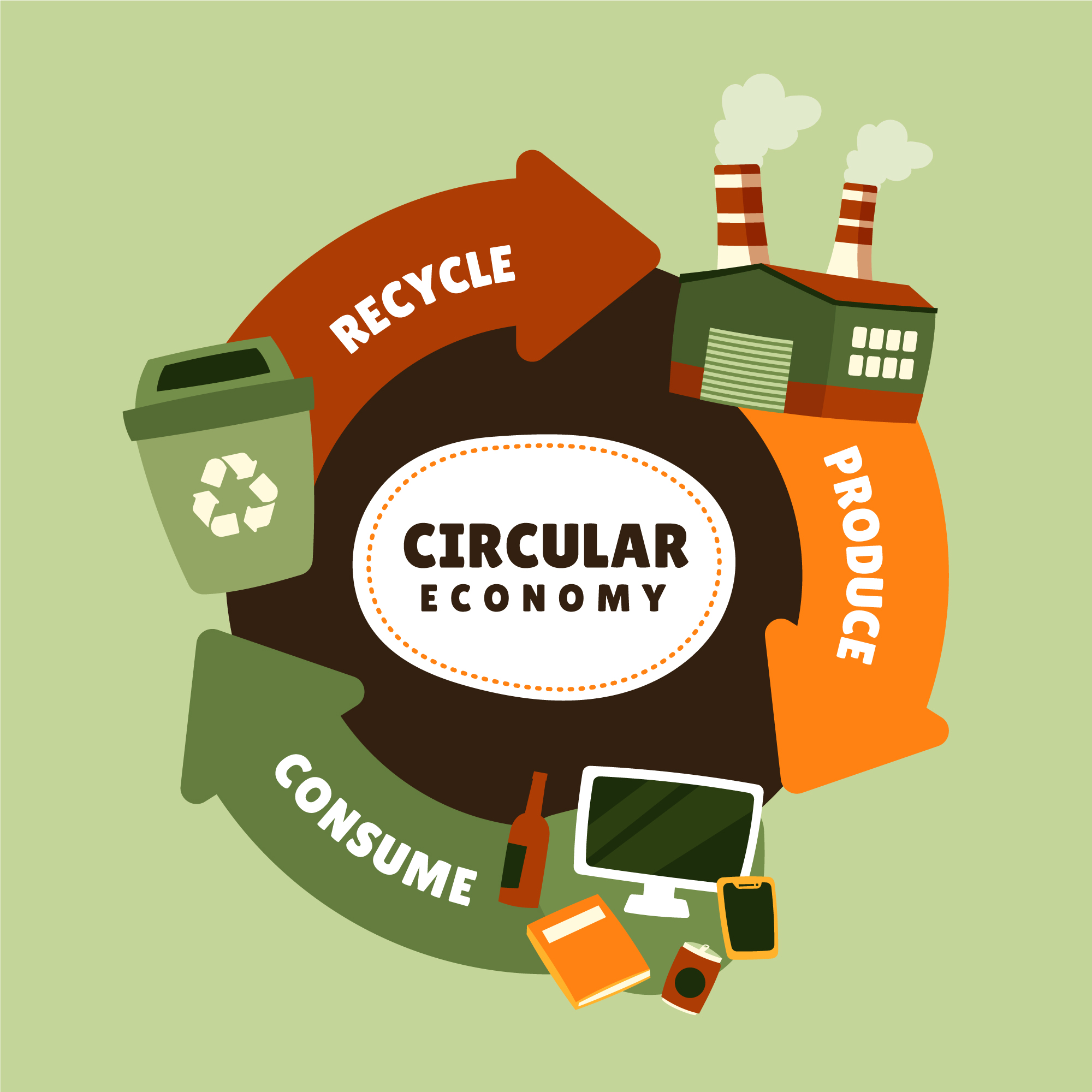
A circular economy is one in which products are designed for reuse, recycling, and repurposing, minimizing waste and making the most of existing materials. Recycling plays a pivotal role in this system by closing the loop on resource use, which helps reduce the environmental impact and carbon footprint associated with the production and disposal of products.
By encouraging the recycling of materials like metals, plastics, and paper, we contribute to a more sustainable system where waste is minimized, and the need for new raw materials is significantly reduced. This contributes to a long-term reduction in carbon emissions, as products remain in circulation longer, and fewer resources are used to make new items.
The Benefits of Recycling for Carbon Footprint Reduction
Recycling is not only beneficial for reducing carbon emissions but also plays a role in:
- Preserving natural resources: By recycling, we reduce the need for raw material extraction, conserving valuable resources such as metals, minerals, and fossil fuels.
- Decreasing pollution: Less energy consumption and fewer emissions from industrial processes result in cleaner air and water, improving overall environmental health.
- Reducing the environmental impact of waste: Recycling reduces the amount of waste sent to landfills and incinerators, which helps mitigate the harmful environmental effects of waste management practices.
- Supporting a sustainable future: Recycling supports the transition to a more sustainable economy by conserving resources, reducing energy use, and promoting the reuse of materials.
Practical Steps You Can Take to Reduce Your Carbon Footprint Through Recycling
You can make a significant impact on your carbon footprint by following these simple recycling practices:
- Separate recyclables from trash: Ensure that items like paper, plastic, glass, and metal are placed in recycling bins rather than being thrown away with regular waste.
- Reduce, reuse, and recycle: Make an effort to minimize the amount of waste you generate, and buy products made from recycled materials to support the circular economy.
- Recycle properly: Familiarize yourself with your local recycling guidelines to make sure you’re recycling the right materials and not contaminating the recycling stream.
- Purchase energy-efficient products: Choose products that are made from recycled materials or are themselves recyclable. These products often have a smaller carbon footprint than their non-recyclable counterparts.
Conclusion
Recycling is one of the most accessible and effective ways to reduce our carbon footprint and combat climate change. By consuming less energy, conserving natural resources, reducing waste, and promoting a circular economy, recycling plays a vital role in lowering carbon emissions and creating a more sustainable future. Every time we recycle, we take an important step in reducing our impact on the planet and fighting global warming.
Making recycling a habit and supporting the use of recycled products can have a significant positive impact on the environment. So, let’s all take action today to recycle more, waste less, and reduce our carbon footprint for a healthier, greener world tomorrow.